Quick answer: Renewal pricing without losing occupancy means raising rent in step with the local market while giving current residents a real reason to stay. We price every renewal against nearby comparable units, hold back increases where a turnover would cost more than the extra rent, and send offers early. Steadier occupancy and stronger net income follow.
What renewal pricing without losing occupancy really means
Renewal pricing is the rent you offer a resident whose lease is ending. Do it well and income rises without units sitting empty. The goal is not the highest number on paper. It is the highest number a good resident will actually sign for, weighed against what a vacant unit and a fresh turn would cost you. That trade sits at the center of every renewal decision we make.
Why resident retention protects your bottom line
Keeping a resident is almost always cheaper than replacing one. A move-out triggers a make-ready turn, marketing spend, days or weeks of vacancy, and often a leasing fee. Stack those costs together and a single turnover can erase months of the rent increase you were chasing.
The market backs this up. In the first quarter of 2026, the national rental vacancy rate sat at 7.3 percent, according to the U.S. Census Bureau. Roughly one in fourteen rentals stood empty. Every avoidable move-out adds to that number and pulls your own occupancy rate down with it. We watch renewal rate as closely as occupancy itself, because a community that renews most of its expiring leases rarely has to fight to fill units in the first place.
Here’s how the two paths compare on a typical market-rate unit.
| Factor | Renew a resident | Replace a resident |
|---|---|---|
| Vacancy days | 0 | 20 to 40 |
| Make-ready work | Light touch-up | Full unit turn |
| Marketing and leasing | None | Ad spend plus fee |
| Rent risk | Known payer | Unknown, needs screening |
| Time to income | Immediate | After lease-up |
How does a renewal increase affect your occupancy rate?
Push a renewal too hard and residents leave. Leave money on the table and you underprice the asset. The right increase threads that gap. Nationally, rent inflation has cooled: the U.S. Bureau of Labor Statistics tracks rent through its Consumer Price Index, and the rent of primary residence index rose roughly 3 percent year over year by mid-2026, down from peaks above 8 percent in 2023. Ask for far more than the market is moving and residents notice, shop the market-rate apartment communities nearby, and go. That’s how one aggressive renewal quietly erodes your occupancy rate, a single signature at a time.
The math is worth running per unit. A $75 monthly increase adds about $900 over a year. If that same increase pushes a resident out, a month of vacancy plus a turn and a leasing fee can top $3,000. The raise pays off only if the resident signs and stays.
Setting rent increases residents will actually accept
We anchor every renewal to real numbers, not a flat percentage applied across the board. The method is simple and repeatable:
- Pull current asking rents for comparable units in the same submarket.
- Set the renewal a step below what a brand-new lease would command, so staying costs less than leaving.
- Cap the increase where the resident’s likely move-out cost is lower than the rent you would gain.
- Apply the same objective criteria to every unit, since federal fair housing law bars pricing tied to a protected class.
- Flag long-term, on-time payers for a gentler bump.
Consistency here is a legal guardrail, not just good manners. The U.S. Department of Housing and Urban Development treats the terms and conditions of a rental, renewal rent included, as covered by the Fair Housing Act. Writing down why each number landed where it did keeps you on the right side of it.
How you deliver the number matters too. A renewal letter that opens with a modest, clearly explained increase lands better than a bare figure with no context. We tie the new rate to what the resident already gets, steady upkeep and a fast maintenance response, so the ask reads as fair rather than arbitrary.
Building a renewal management process that keeps good residents
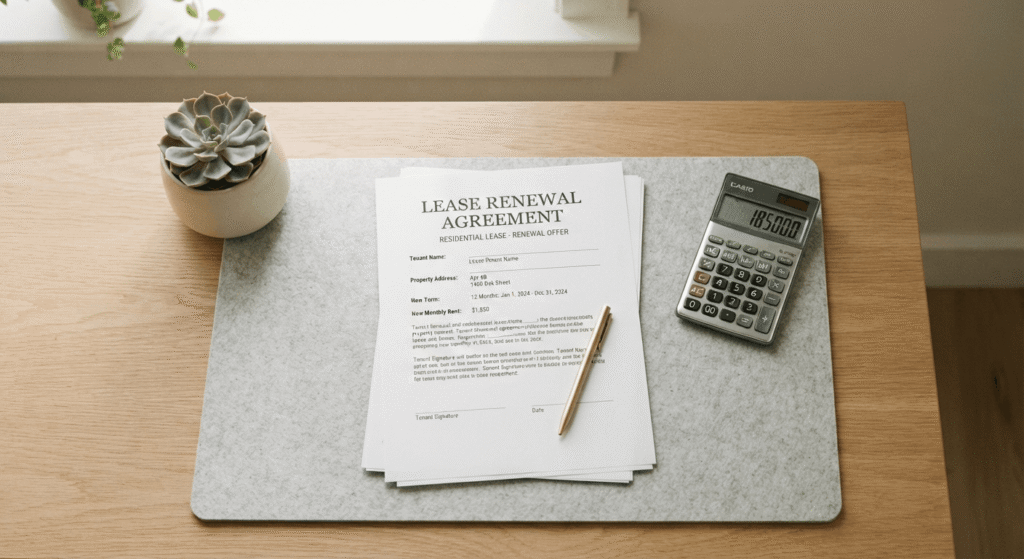
Timing decides half the outcome. An offer that lands 90 days out gives a resident room to say yes. One that arrives with two weeks left feels like a squeeze and pushes people toward the door. Our renewal management calendar starts the conversation early and tracks every lease expiration so nothing slips through. In practice that means a first touch around 90 days out and a firm offer by 60 days, each logged against the expiration date so no renewal goes quiet.
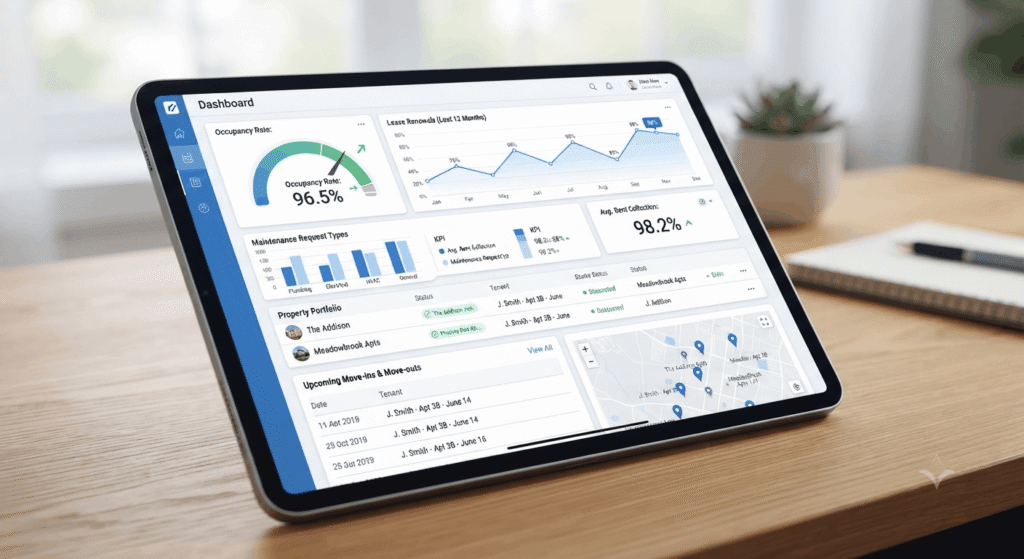
Solid numbers sit underneath it. With live financial reporting, owners watch the renewal rate, the increase captured, and the occupancy trend on one dashboard, so pricing calls run on data instead of guesswork. When a turn is unavoidable, our crews move fast to shrink the vacancy window and protect the bottom line.
Multifamily leasing tips for renewal season
A few habits keep occupancy management from turning into a month-end scramble:
- Read the market monthly, not once a year, so your leasing strategy tracks real demand.
- Open renewal conversations with value, recent upgrades and service history, before the new rate.
- Save your sharpest leasing and marketing push for the units that actually turn.
- Protect tenant retention by fixing the small maintenance gripes that quietly push people out.
Handled this way, renewal season stops feeling like a gamble and starts producing a predictable occupancy rate.
Frequently asked questions
1. How much can I raise rent at renewal without losing the resident?
There is no fixed ceiling. Run a quick check before you set the number:
- Compare it against current asking rents for similar units nearby.
- Keep it below what a fresh lease on the same unit would cost.
- Weigh the gain against what a move-out and turn would run.
Small, well-timed increases hold retention far better than one large jump.
2. What is a healthy occupancy rate for an apartment community?
Most stabilized market-rate communities aim for 93 to 96 percent physical occupancy. With the national rental vacancy rate near 7.3 percent in early 2026 per Census figures, holding above that market average signals that your renewal pricing and occupancy management are working together.
3. When should I send a renewal offer?
Send it 60 to 90 days before the lease ends. That window gives the resident time to decide and gives you time to market the unit if they decline. Late offers read as pressure and rank among the most common causes of avoidable move-outs.
4. Do these principles apply when you renegotiate commercial lease terms?
The core discipline carries over: know your market, protect occupancy, and lead with data. Commercial deals differ in structure, with longer terms and cost pass-throughs a residential tenant never sees, so the mechanics shift even though the goal of a fair, occupancy-protecting renewal does not.
5. Can raising renewal rent ever backfire?
Yes. Push past the local market and you trade one month of higher rent for a vacancy, a full turn, and a leasing fee that often costs more than the gain. That failure mode is exactly what disciplined renewal management is built to prevent.
How we approach it
Renewal pricing without losing occupancy comes down to two things done consistently: pricing each renewal to the real market, and starting the conversation early enough that good residents choose to stay. That balance is how we hold occupancy steady while growing owner income. If you want a renewal strategy built on live numbers rather than guesswork, our team can help you put one in place.