

Quick Answer: Skip and abandonment is the process a property follows when a resident moves out without notice and stops paying rent. A fast skip and abandonment response confirms the unit is empty, serves the abandonment notice your lease requires, documents what was left behind, and starts make-ready within days, so the vacant unit doesn’t burn a full rent cycle.
A skip rarely announces itself. Rent goes unpaid on the 1st, calls go to voicemail, and by the time someone checks the unit, the closets are empty and three weeks are gone. Skip and abandonment handling decides whether that apartment is back on the market in days or sits dark until the next delinquency report. Most of the difference happens in the first week.
What is skip and abandonment?
Skip and abandonment describes a resident leaving before the lease ends without giving notice, returning keys, or paying what’s owed. It differs from a negotiated early lease termination, where the resident asks to leave and agrees to a fee or reletting terms. In a skip and abandonment case, the property has to confirm the move-out on its own.
That confirmation step is where months get lost. Staff can’t re-key and re-list just because a resident is late. Until abandonment is established under the lease and state law, the resident still holds possession, and a premature lockout can expose the owner to liability. Waiting too long costs a full rent cycle instead.
How do you know you have an abandoned apartment?
An abandoned apartment usually shows several signs at once: unpaid rent, no response to calls or texts, utilities shut off or transferred, belongings removed, and neighbors reporting a move. No single sign proves abandonment. Your lease should define the standard, because many state statutes don’t.
Texas is a good example. The Texas State Law Library’s guide on tenant property left behind notes that state law doesn’t say how a landlord handles belongings after a voluntary move-out, so the lease fills that gap. Texas Property Code Section 92.0081 allows a landlord to exclude a tenant while removing the contents of abandoned premises, but it doesn’t define abandonment.

A clear skip and abandonment clause names the triggers and gives staff a checklist instead of a judgment call.
What should an abandonment notice include?
An abandonment notice tells the resident the property believes the unit has been abandoned, cites the lease section that applies, gives a deadline to respond, and states what happens to remaining property after that date. Post it on the inside of the main entry door and send it to every contact method on file.
Keep it short and factual: the posting date and time, the response deadline counted the way your lease counts it, and a phone number a person actually answers. If the resident replies, the file becomes a delinquency or early lease termination conversation instead of a skip and abandonment case.
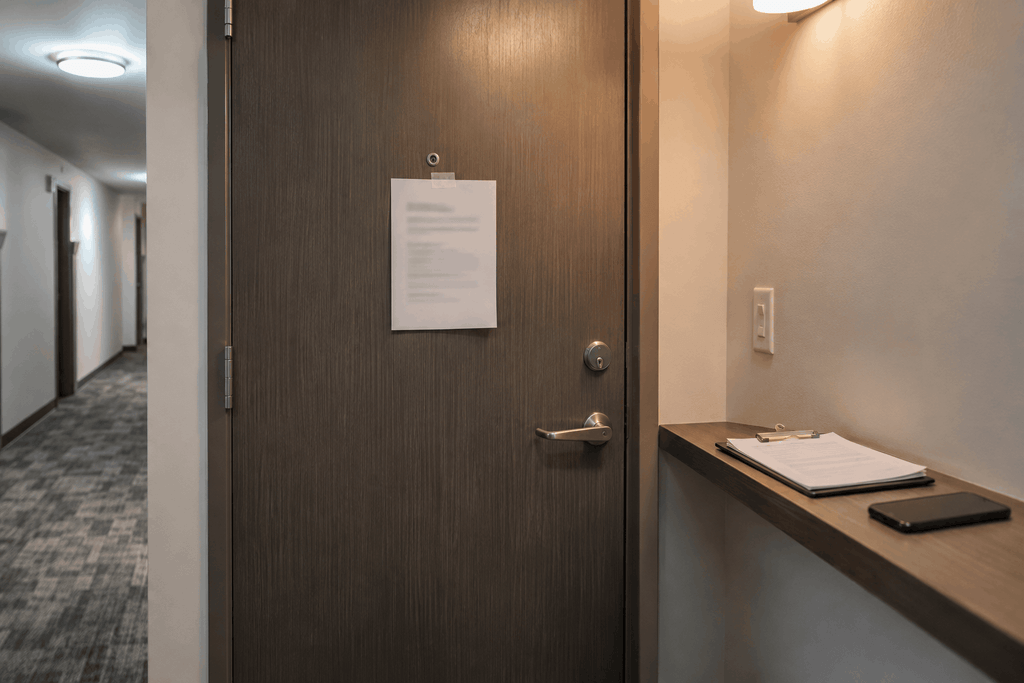
Photograph every room at the inspection and again at the deadline. Dated photos settle later deposit disputes.
Why does lease abandonment cost more than breaking a lease the right way?
Lease abandonment costs more because nobody plans the move-out. With notice, leasing can pre-market the unit, schedule make-ready, and line up the next resident before the keys come back. A skip starts the clock only when the property discovers it, and every idle day before that adds to turnover cost.
| Move-out type | When the property learns of it | Make-ready scheduled early? | Typical recovery path |
|---|---|---|---|
| Planned move-out at lease end | 30 to 60 days ahead, per lease | Yes | Normal deposit accounting |
| Negotiated early lease termination | When the resident requests it | Yes | Termination fee or reletting terms |
| Military lease termination under SCRA | When written notice and orders arrive | Yes | No early termination charge allowed |
| Skip caught in the first week | Days 2 to 7 after missed rent | Partly | Abandonment notice, then collection |
| Skip caught after a full cycle | 30 days or more after missed rent | No | Notice, collection, and a lost month |
Military moves are the row owners get wrong most often. The Department of Justice’s servicemember housing guidance explains that for monthly leases, termination takes effect 30 days after the next rent due date following notice, and no early termination fee applies.

The turnover cost of a slow discovery
The Census Bureau’s third-quarter 2026 vacancy release put the national median asking rent for vacant units at $1,541, about $51 a day. In a modeled skip and abandonment case found on day 4 instead of day 25, the property saves roughly 21 days, or about $1,080 in rent.
Speed matters more right now. The same release reported a 7.6% national rental vacancy rate and 9.2% in the South, up from 7.1% nationally a year earlier.
Unit turnover after a skip: a recovery timeline
A skip and abandonment timeline works best when it’s written down and assigned to named roles. The goal is to confirm abandonment inside the lease window and get the vacant unit into make-ready before the next delinquency cycle.
- Day 2 to 3 after missed rent: Call, text, and email the resident and emergency contact. Check utility status.
- Day 3 to 5: Conduct a lawful entry inspection under the lease and photograph every room.
- Same day: Post and send the abandonment notice with a clear response deadline.
- Deadline passes: Re-inspect, inventory remaining property, and handle it as the lease and state law direct.
- Within 24 hours: Re-key, open a make-ready work order, and hand the unit to the leasing and marketing team for pre-marketing.
- Within 30 days: Send the security deposit accounting to the last known address.
Step 5 is where owners gain most: a maintenance team with portfolio-level vendor pricing turns the unit while the listing is live.

Step 6 has a hard deadline in many states. The Texas State Law Library’s security deposit guide explains that the refund or itemized deductions are due within 30 days of move-out once the tenant provides a forwarding address.
How does the duty to mitigate affect lease termination balances?
The duty to mitigate means the owner must make reasonable efforts to re-rent an abandoned unit before charging the departed resident for the rest of the lease. In Texas, Property Code Section 91.006 imposes that duty and voids lease language that tries to waive it.
So a fast re-listing does two jobs. It recovers rent from the next resident, and it proves the owner mitigated. Log the date the unit went back on the market, every price change, and every application. When a skip and abandonment balance moves to delinquency and bad debt collections, that record supports the amount claimed. Rules differ by state, so confirm the standard where each property sits.
Frequently Asked Questions
1. What is the difference between breaking a lease and skip and abandonment?
Breaking a lease means a resident ends the agreement early, usually with notice and a negotiated fee or reletting terms. Skip and abandonment means the resident leaves without notice, often owing rent. Both end the tenancy early, but a skip requires the property to confirm abandonment before it can legally re-key and re-list.
2. How long should a property wait before treating a unit as abandoned?
Most leases set a response window of a few days after an abandonment notice is posted. Texas statutes don’t set a residential waiting period, so the lease controls. Follow that timeline exactly and confirm local rules before removing belongings or changing locks.
3. What should staff check before declaring an abandoned apartment?
Staff should confirm several signs together before acting:
- Rent unpaid and no reply to calls, texts, or email
- Utilities disconnected or transferred
- Furniture and personal items largely removed
- Keys, remotes, or parking tags left behind
- Neighbor or staff reports of a move-out
4. Can an owner charge rent for the rest of the lease after a skip?
An owner can usually pursue unpaid rent, but most states require reasonable efforts to re-rent first. Texas Property Code Section 91.006 makes that duty mandatory and voids lease clauses that waive it. The recoverable balance generally covers the period the unit couldn’t be relet, plus lawful fees.
5. Does military early lease termination count as a skip?
No. The Servicemembers Civil Relief Act lets qualifying servicemembers end a residential lease with written notice and a copy of their orders. For monthly leases, termination takes effect 30 days after the next rent due date following notice, and properties can’t charge an early termination fee.
Conclusion
Skip and abandonment cases don’t have to cost a full month of rent. The fastest recoveries treat a missed payment with no contact as a trigger: outreach by day 3, inspection and notice by day 5, make-ready the day the deadline passes. For owners who want those numbers visible as they happen, financial reporting that tracks vacancy loss by unit shows what each skip cost and how quickly it closed.