

Quick Answer: What due diligence looks like before we take over a property comes down to four checks: physical condition, lease and rent roll accuracy, financial records, and legal paperwork. We finish them before takeover day, so surprises land on a transition checklist instead of the owner’s monthly statement.
Every takeover starts with one question: what are we actually inheriting? This guide explains what due diligence looks like before we take over a property, from the first site walk to the last signed document. It reflects how our property management team approaches apartment communities that change hands, whether the trigger is a sale or a new management agreement.
What Is Property Due Diligence Before a Management Takeover?
Property due diligence is the fact-finding period before management changes hands. It tests what the seller, owner or prior manager has said against what the building, the leases and the books actually show. Done well, it produces a short list of known issues, each with an owner and a date.
A buyer’s diligence asks whether to close. A manager’s diligence asks how to operate on day one. The two overlap during a multifamily acquisition, and they often run side by side. But the manager’s version is narrower and more practical: whose name is on the utility bills, who answers the phones, and does the rent roll match the ledgers?
Skip it and the costs show up quietly. A misstated deposit balance, an expired fire permit or a pile of unanswered work orders each look small alone. Together they can eat into the first quarter’s results.

What Does a Multifamily Due Diligence Checklist Cover?
A multifamily due diligence checklist covers four areas: the physical asset, the leases, the financial records and the legal paperwork. Each area pairs a document request with a site check, so what the seller says gets compared with what we can see and count.
Property Condition Assessment and Property Inspection Checklist
A property condition assessment is a structured review of roofs, building envelope, plumbing, electrical, HVAC and life-safety systems, usually with repair estimates and remaining useful life. Our maintenance team pairs that review with a property inspection checklist walked unit by unit.
We look at vacant units, a sample of occupied ones, common areas, mechanical rooms and the last twelve months of work orders. Repeat requests from the same building often say more than any single unit does. A leaking stack that shows up five times is a plumbing project, not five repairs.
Lease Audit and Rent Roll Review
A lease audit compares every signed lease with the rent roll: rent, term, recurring charges, concessions, deposits, pet fees and renewal offers already sent. Differences of a few dollars per unit matter because they repeat across every unit, every month.
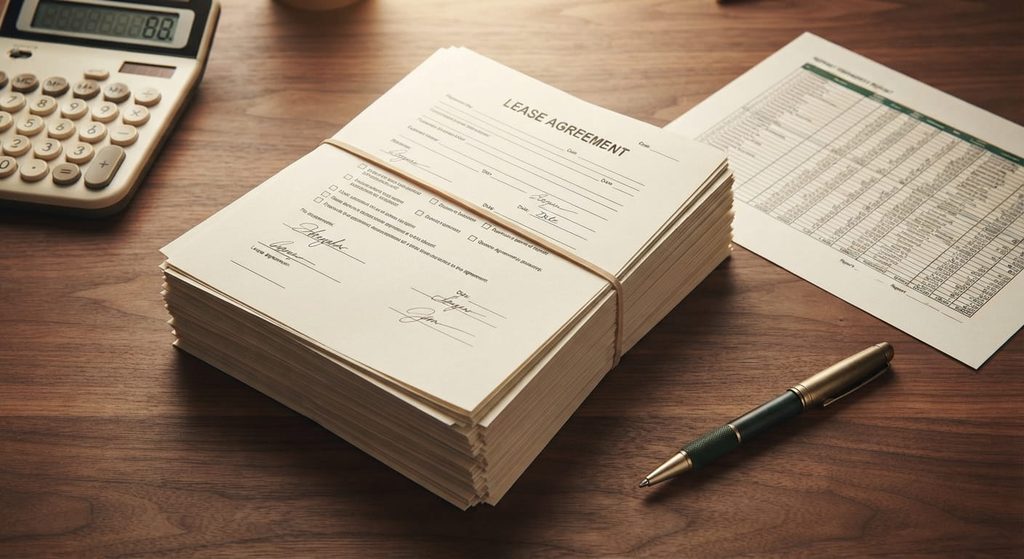
We pull the aged receivables and prepaid reports at the same time. The delinquency and bad debt picture answers three plain questions: how much is owed, by whom, and for how long. A rent roll that ties out to the resident ledgers is the gate for loading balances into our systems at go-live.
Financial and Legal Records
On the financial side we request twelve months of general ledger, monthly trial balances, the security deposit reconciliation, payables aging, tax bills and the current budget. On the legal side we want the certificate of occupancy, fire and pool permits, licenses and every vendor contract. Contracts get read for assignability and cancellation terms before anyone promises a vendor continued work.
| Diligence area | What we request | What we verify |
|---|---|---|
| Physical condition | Inspection reports, capital history, work orders | Roofs, mechanical rooms, vacant units, common areas |
| Leases | Rent roll, lease files, renewal offers | Rent and charges match ledgers; concessions documented |
| Financials | General ledger, trial balance, deposit ledger, payables aging | Deposits reconcile; open payables identified |
| Legal and permits | Certificate of occupancy, fire and pool permits, licenses | Expiration dates and inspection reports on file |
| Vendors and utilities | Contracts, account list, recent bills | Assignability, cancellation terms, transfer dates |
| Go-live decision | All findings logged with owners | Every readiness gate approved |

How Does Property Management Onboarding Follow a Multifamily Acquisition?
Property management onboarding begins once diligence findings are sorted into fix now, plan for, and accept. Each finding gets an owner and a date. Takeover proceeds when the readiness gates for banking, systems, staffing, utilities and compliance are approved.
Findings change plans. A roof near the end of its life moves capital forward. A delinquency backlog moves the collections plan. A vendor contract that can’t be assigned moves a service start date.
Compliance deserves its own pass. For buildings constructed before 1978, the EPA lead-based paint disclosure rule requires lessors and property managers to provide an approved pamphlet and disclose known lead information before a lease is signed. HUD-assisted communities add another layer. HUD’s NSPIRE inspection notices set the physical standards, and a September 2026 Federal Register notice confirms that scoring of the new affirmative requirements begins October 1, 2026.
Underwriting assumptions get tested here too. The U.S. Census Bureau put the national rental vacancy rate at 7.3 percent in the second quarter of 2026, with the South at 9.5 percent. If a seller’s pro forma assumes near-full occupancy in a market like that, diligence should ask what the trailing rent roll actually shows.
The last step is a written go or no-go. Bank accounts, resident payment channels, systems, staff, utilities and the owner reporting calendar are each approved before takeover day. If a gate is open, the date moves. The date does not get to move the gate.

Frequently Asked Questions
1. How long does due diligence take before a property takeover?
It depends on size, age and how quickly the seller produces records. The pace usually turns on document delivery more than on our work, so requests go out first and the site walk gets scheduled early. A small community with clean books moves faster than a large older asset with gaps.
2. What is the difference between a property condition assessment and a property inspection checklist?
A property condition assessment is a report on building systems, with repair cost estimates and remaining useful life. A property inspection checklist is a walk-through record of unit and common-area condition. The assessment sets the capital plan. The checklist sets the make-ready and repair priorities.
3. What documents do you request for property due diligence?
The core request covers the records that prove income, cost and legal standing:
- Rent roll with detailed lease charges and resident ledgers
- Twelve months of general ledger and monthly trial balances
- Security deposit reconciliation and payables aging
- Certificate of occupancy, permits and licenses
- Vendor contracts, utility accounts and recent bills
4. What does a lease audit usually find?
Most findings are small and repetitive: rent that differs from the lease, charges billed but not signed, concessions missing from the file, and renewal offers nobody tracked. Each is minor alone. Across a whole community they change income, which is why the lease audit comes before balances are loaded.
5. Who is responsible for due diligence in a multifamily acquisition?
The buyer and its lender, with legal counsel, own acquisition diligence and the decision to close. The management company supports the operational side: physical walk, lease audit, records, vendors and compliance. Owners should confirm exact responsibilities with their attorney and the management agreement.
Conclusion
Good multifamily property management starts before takeover day. It is easy to describe and hard to skip: verify the building, the leases, the books and the paperwork, then decide with facts in hand. AAM Living applies that discipline to market-rate apartment communities, so owners begin management with a known baseline, a clear list of open items and a date for each one. Owners weighing a handoff can start by asking what the diligence file will contain.